
Catalytic Converters in Kenya


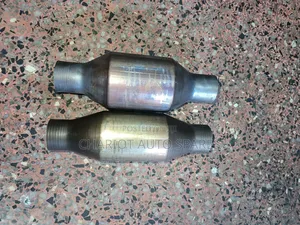

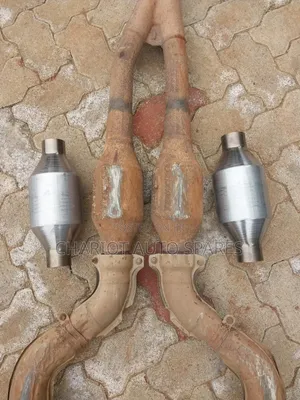
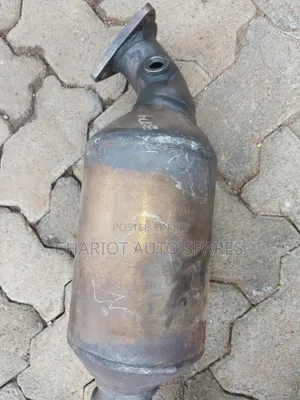

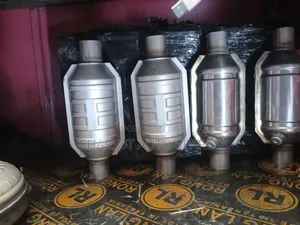



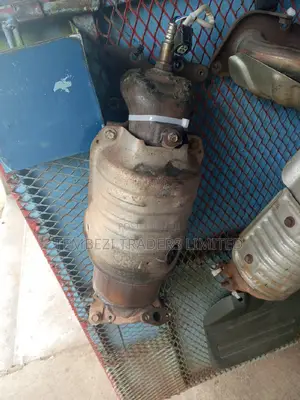


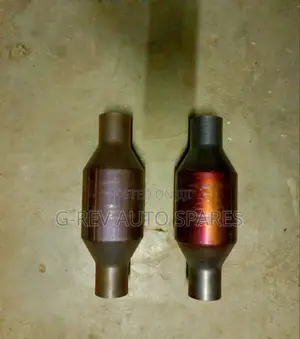
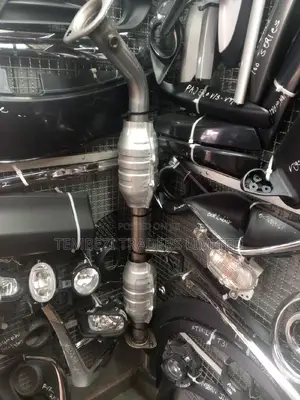

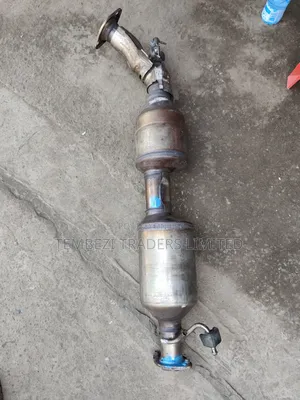
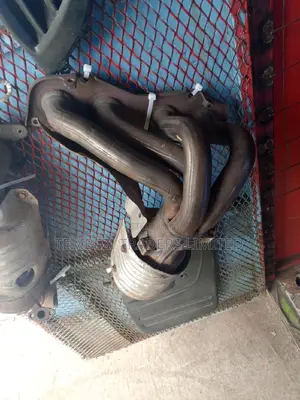
1 - 20 of 48 results
Catalytic Converters FAQs
🍀 Which ones are actual in 2026?
💎 Which ones belong to the premium segment?
What a Catalytic Converter Does
The catalytic converter is part of your vehicle's exhaust system. It converts harmful gases produced during combustion -- carbon monoxide, hydrocarbons, and nitrogen oxides -- into less harmful substances (carbon dioxide, water vapour, and nitrogen) through chemical reactions with precious metal catalysts inside the unit. It is a key emissions control component and is required for NTSA vehicle inspection compliance.
How Catalytic Converters Work
Inside the converter is a ceramic or metallic honeycomb structure coated with platinum, palladium, and rhodium. Exhaust gases pass through thousands of tiny channels in this structure. The precious metals act as catalysts, accelerating chemical reactions that break down pollutants without being consumed themselves. The converter needs to reach its operating temperature (around 400 to 600 degrees Celsius) to function effectively, which is why emissions are higher during cold starts.
Signs of a Failing Catalytic Converter
- Check engine light -- diagnostic codes P0420 or P0430 indicate catalyst efficiency below threshold. These are the most common codes related to catalytic converter failure.
- Rotten egg smell -- a sulphur or rotten egg odour from the exhaust indicates the converter is not fully processing hydrogen sulphide in the exhaust.
- Reduced engine performance -- a clogged converter restricts exhaust flow, causing the engine to feel sluggish, hesitate during acceleration, or stall.
- Failed emissions test -- elevated levels of carbon monoxide or hydrocarbons during the NTSA inspection indicate a failing converter.
- Rattling noise underneath -- the internal honeycomb structure can break apart from thermal shock or physical impact, causing a rattling sound from the exhaust area.
What Causes Catalytic Converter Failure
- Engine misfires -- unburnt fuel enters the converter and ignites inside it, causing extreme overheating that melts the honeycomb substrate.
- Oil or coolant leaks into combustion -- contaminants coat the catalyst surface, reducing its effectiveness (catalyst poisoning).
- Low-quality fuel -- fuel with high sulphur content or excessive additives degrades the precious metal coating faster.
- Physical damage -- driving over rough terrain, speed bumps, or road debris can dent or crack the converter housing.
- Age and mileage -- converters naturally lose efficiency over time, typically lasting 80,000 to 160,000 km.
Replacement and Costs
Catalytic converters are expensive due to the precious metals they contain. OEM replacements are the most reliable but also the most costly. Aftermarket converters are available at lower cost and work adequately for many vehicles, though they may not last as long as OEM units. When replacing a converter, also address the root cause of failure (misfires, oil leaks, etc.) to protect the new unit.
Due to their precious metal content, catalytic converters are frequent theft targets. Vehicles with high ground clearance like SUVs and vans are most vulnerable because the converter is easily accessible underneath.
FAQ
Can I drive without a catalytic converter?
Can a catalytic converter be cleaned instead of replaced?
Why are catalytic converters so expensive?


