
Motorcycle Helmets in Kenya



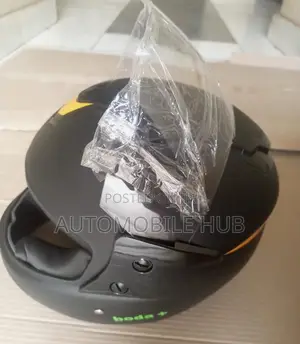
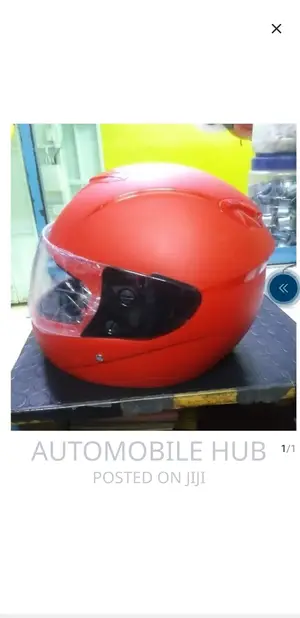
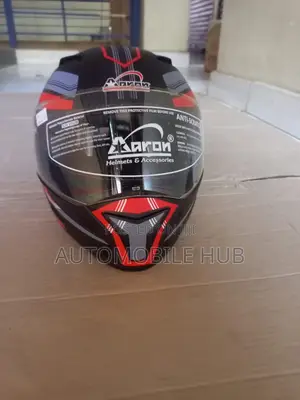
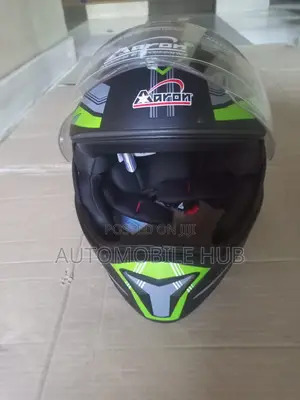

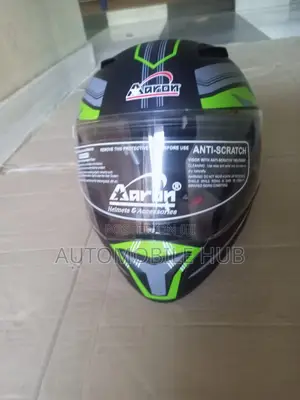
1 - 20 of 159 results
Motorcycle Helmets FAQs
💎 Which ones belong to the premium segment?
💰 Which ones are the cheapest?
Why a Quality Motorcycle Helmet Matters
Head injuries are the leading cause of death and disability in motorcycle accidents. A proper helmet reduces the risk of fatal head injury by approximately 40%. In Kenya, wearing a helmet is mandatory for both riders and passengers under the Traffic Act, and the National Transport and Safety Authority (NTSA) actively enforces this requirement.
Types of Motorcycle Helmets
Full-Face Helmets
Cover the entire head including the chin and jaw area. Full-face helmets offer the highest level of protection and are the recommended choice for all riders. They also reduce wind noise and keep dust and insects off your face, which is particularly valuable on Kenyan highways and dusty rural roads.
Open-Face (Three-Quarter) Helmets
Protect the top and sides of the head but leave the face exposed. They offer better ventilation and a wider field of view, which some city riders prefer for short trips. However, the lack of chin protection is a significant safety compromise since the chin and jaw area accounts for a large percentage of head impacts in crashes.
Half Helmets
Cover only the top of the head. These provide minimal protection and are not recommended for serious riding. While they are popular for their lightweight feel and comfort in hot weather, they leave the face, jaw, and much of the skull exposed.
Modular (Flip-Up) Helmets
A hybrid design with a chin bar that flips up, combining the protection of a full-face helmet with the convenience of an open-face when stopped. Good for riders who wear glasses or need to communicate easily at stops. Ensure the flip-up mechanism locks securely in the closed position.
How to Choose the Right Helmet
- Certification -- look for DOT (US), ECE 22.05/22.06 (European), or SHARP safety ratings. Certified helmets have been tested for impact absorption, strap strength, and penetration resistance. Avoid helmets with no certification markings.
- Fit -- a helmet must be snug around your entire head without pressure points. It should not rotate when you shake your head. Try the helmet on for at least 5 minutes before deciding. A loose helmet can come off in a crash.
- Weight -- lighter helmets reduce neck fatigue on long rides. Quality helmets range from 1.2 to 1.6 kg. Very cheap helmets are often heavy due to inferior materials.
- Ventilation -- adjustable vents are important for riding in Kenya's warm climate. Good airflow keeps the visor clear and the rider comfortable.
- Visor quality -- the visor should be scratch-resistant, optically clear, and easy to open with gloves. Anti-fog coating is useful for early morning rides in highland areas.
When to Replace Your Helmet
Replace your helmet after any impact, even if there is no visible damage. The foam liner absorbs energy by compressing, and this compression may not be visible from outside. Additionally, replace helmets every 5 years regardless of condition, as UV exposure and sweat degrade the foam and shell materials over time.
FAQ
How do I know my correct helmet size?
Are expensive helmets significantly safer than cheap ones?
Can I wash my motorcycle helmet?


