
Coffee Tables in Kenya




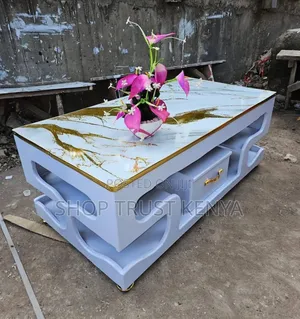
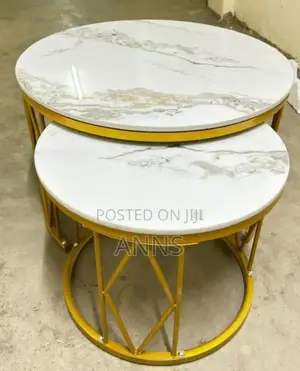
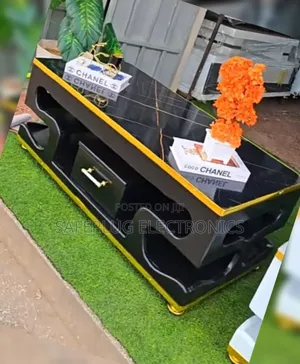
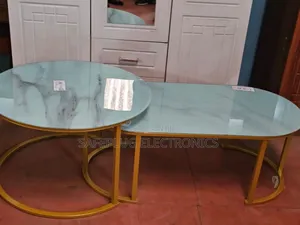

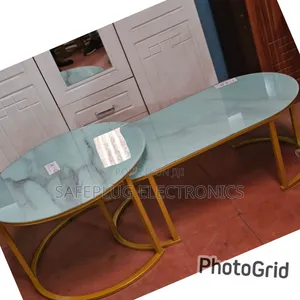
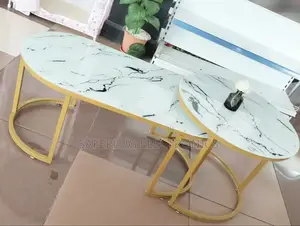
1 - 20 of 4 555 results
Coffee Tables FAQs
🍀 Which ones are actual in 2026?
💎 Which ones belong to the premium segment?
💰 Which ones are the cheapest?
Choosing the Right Coffee Table for Your Living Room
A coffee table sits at the centre of your living room layout, and the wrong size or shape can block walkways, clash with your sofa, or waste usable space. Getting the proportions and material right matters more than the price tag.
Coffee Table Shapes and When to Use Them
The shape of your coffee table should complement your seating arrangement and room size.
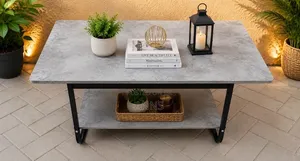
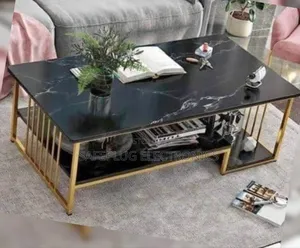
- Rectangular — The most common choice. Works well with L-shaped sofas and longer seating layouts. Provides generous surface area for magazines, remote controls, and drinks.
- Square — Best suited for rooms with symmetrical seating, such as two sofas facing each other. Keep proportions balanced so it does not overpower smaller spaces.
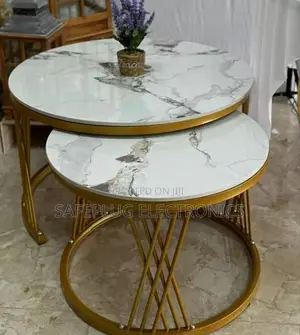
- Round and oval — Suited to homes with children since there are no sharp corners. Round tables also improve traffic flow in tighter living rooms, making them a practical pick for apartments.
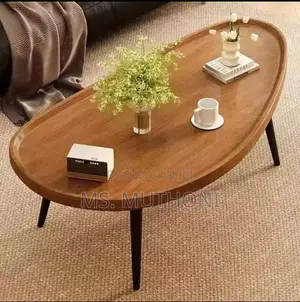
- Irregular or organic shapes — Live-edge tables crafted from local hardwoods like mvule or mahogany bring a natural, artistic feel. These work as statement pieces in modern interiors.
Getting the Size Right
A coffee table that is too large crowds the room, while one that is too small looks lost. Use these guidelines:
- The table should be roughly two-thirds the length of your sofa.
- Height should match or sit slightly below the seat cushion level, typically between 40 and 50 centimetres.
- Leave at least 40 centimetres of clearance between the table and sofa for comfortable legroom and walkways.
Materials That Work in Kenya
Your choice of material affects durability, maintenance, and style.
- Solid wood — Kenyan hardwoods such as mahogany, mvule, and cypress are durable and age beautifully. They resist wear well but need occasional oiling to prevent drying out, especially in Nairobi's variable climate.
- Glass tops — Tempered glass adds a modern, airy look and works well in small rooms because it does not visually crowd the space. Always confirm the glass is tempered for safety.
- Metal frames — Steel or wrought iron bases paired with wood or glass tops suit industrial and contemporary styles. Powder-coated finishes resist humidity better than untreated metal.
- Engineered wood and MDF — More affordable than solid hardwood. Look for moisture-resistant options if your home lacks consistent climate control.
Matching Your Coffee Table to Your Living Room Style
Consistency matters, but your coffee table does not have to match your sofa set exactly. Instead, aim for complementary relationships.
- Traditional interiors — A carved mahogany table with turned legs complements classic leather or fabric sofas.
- Modern and minimalist — Clean lines, slim profiles, and materials like glass or light-toned wood keep the room feeling open.
- Eclectic or Afro-modern — Mix materials freely. A live-edge mvule slab on a black metal frame, for example, blends natural warmth with contemporary design.
Practical Features to Consider
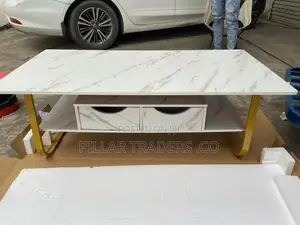
Think beyond looks. Coffee tables with built-in drawers or lower shelves offer storage for remotes, books, and board games. Lift-top designs double as casual dining or laptop surfaces, which is especially useful in studio apartments and bedsitters where space serves multiple purposes.
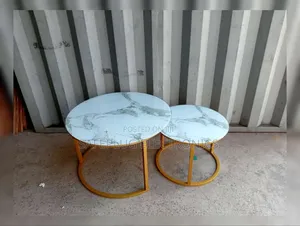
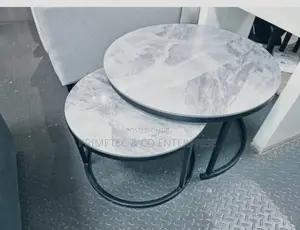
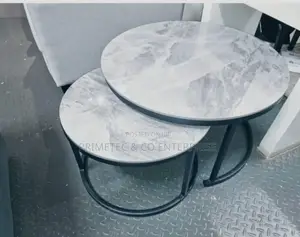
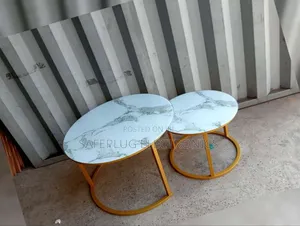
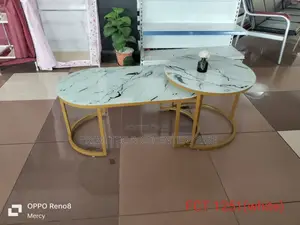
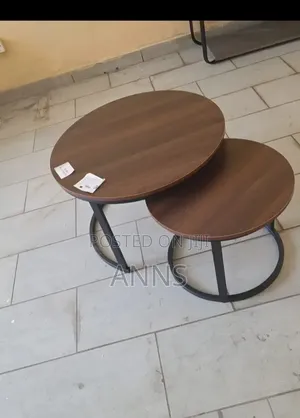
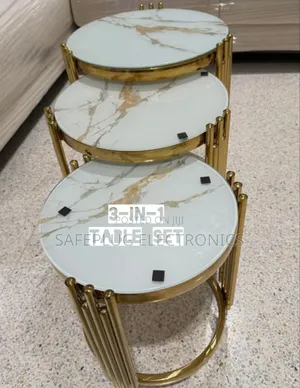
If you entertain guests often, nesting tables are another smart option. They tuck together when not needed and spread out to serve more people during gatherings.
Take time to measure your space, consider your daily habits, and pick a material that handles your household's level of activity. A well-chosen coffee table ties the room together and serves you for years.
FAQ
What height should a coffee table be relative to my sofa?
Where can I buy quality coffee tables in Nairobi?
What is the best coffee table material for homes with young children?
How do I protect a wooden coffee table from water rings?


