
Women's Fabrics in Kenya







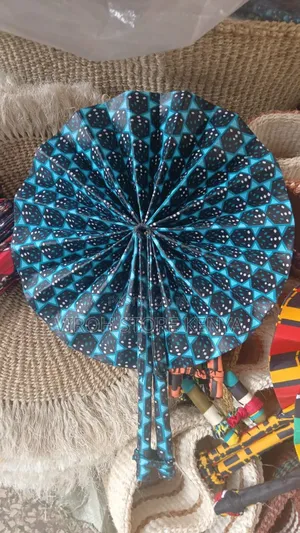

1 - 20 of 53 results
Women's Fabrics FAQs
💎 Which ones belong to the premium segment?
💰 Which ones are the cheapest?
Buying fabric in Kenya means navigating a market where a single bolt of kitenge at Eastleigh can cost KSh 800 or KSh 3,500 depending on whether it is wax-printed cotton from a Kenyan mill, a Dutch-wax import, or a Chinese polyester copy with a similar pattern. The difference is not always visible at first glance — but it shows up in how the fabric holds colour after washing, how it feels against skin in Nairobi's heat, and how long a finished garment lasts. This guide covers what women buying fabric in Kenya — whether for a tailor-made outfit, a personal sewing project, or resale — actually need to know.
Fabric Types Available in Kenya
| Fabric | Composition | Price per metre (KSh) | Best for |
|---|---|---|---|
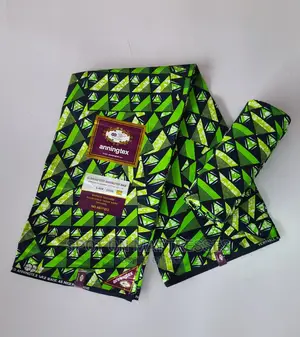
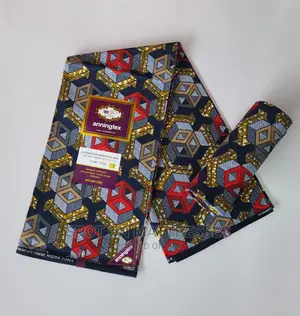
| Kitenge (African wax print) | Cotton or cotton-poly blend | 250 – 1,200 | Dresses, skirts, blouses, headwraps |
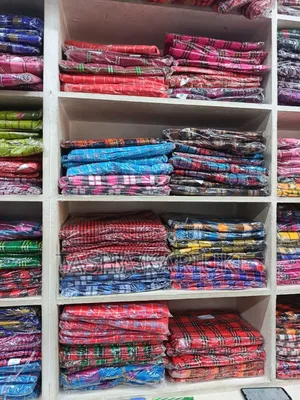
| Kanga | Lightweight cotton | 400 – 900 (pair) | Wraps, baby carriers, home use, gifting |
| Kikoy | Woven cotton | 300 – 800 | Wraps, beach wear, scarves, baby slings |
| Ankara | Cotton with resin print | 350 – 1,500 | Structured dresses, jackets, bags |
| Chiffon | Polyester or silk | 200 – 600 | Blouses, overlays, evening wear |
| Satin | Polyester or silk blend | 250 – 700 | Evening dresses, linings, bridal |
| Linen | Flax or linen-cotton blend | 500 – 1,500 | Office wear, casual trousers, blazers |
| Denim | Cotton twill | 400 – 1,000 | Jeans, jackets, skirts |
| Scuba / neoprene knit | Polyester-spandex | 350 – 800 | Bodycon dresses, pencil skirts |
Prices are typical for Nairobi's main fabric markets — Eastleigh, Kamukunji, and the CBD textile shops along Biashara Street. Mombasa's Old Town fabric shops carry a stronger selection of coastal fabrics like kikoy and kanga, often at slightly lower prices.
How to Judge Fabric Quality in the Market
Most fabric shops in Kenya do not label the exact composition or origin of their materials. You need to assess quality by hand and eye before buying. Here is what to check:
- The burn test — Ask the seller to snip a small thread from the edge. Pure cotton burns to fine grey ash and smells like paper. Polyester melts into a hard bead and smells like plastic. This is the quickest way to verify if a fabric sold as "pure cotton" is actually blended. Most honest sellers will allow this.
- Colour fastness — Rub a damp white cloth across the fabric surface. If colour transfers heavily, the dye is not properly fixed and will bleed in the first wash. This is common with cheap kitenge prints — the pattern fades or runs after two to three washes.
- Thread count and weave — Hold the fabric up to light. A tightly woven cotton will show minimal light through the weave. If you can see your hand clearly through a fabric sold as dress-weight cotton, it is too thin and will not hold its shape once tailored.
- Stretch recovery — For stretch fabrics like scuba or jersey, pull the fabric gently and release. Quality stretch fabric snaps back to its original shape immediately. If it stays stretched or wrinkles at the pull point, it will bag out at the knees and elbows after a few wears.
- Selvedge edge — The finished edge of the bolt should be clean and even. A messy, fraying selvedge indicates lower manufacturing standards and suggests the fabric may not hold up to cutting and stitching as well.
Kitenge and Ankara — What Is the Difference
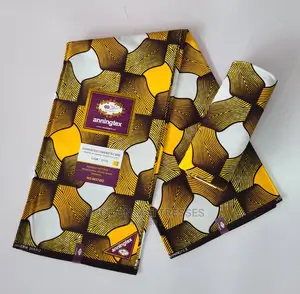
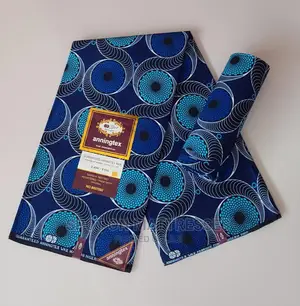
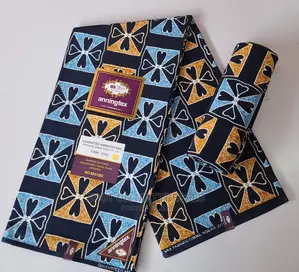
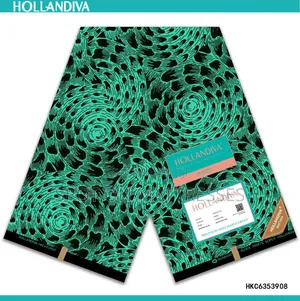
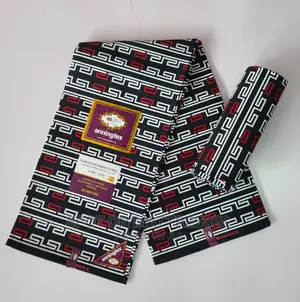
These two terms are often used interchangeably in Kenyan markets, but they refer to different printing processes. Kitenge is traditionally a wax-resist printed cotton — hot wax is applied to the fabric before dyeing, creating a pattern with a characteristic slightly crackled texture. True wax-print kitenge feels waxy on one side and shows the pattern equally on both sides of the fabric.
Ankara is a resin-printed imitation of wax print. The pattern is printed on one side only and lacks the wax texture. Ankara is cheaper to produce and is what most budget vendors sell as "kitenge." It is not necessarily bad fabric — well-made ankara holds colour and works fine for most garments — but it is not the same product as true wax print and should not be priced the same. If a vendor charges KSh 800 or more per metre, the fabric should be genuine wax print. Check both sides of the fabric before paying.
Where to Buy Fabric in Kenya
- Eastleigh, Nairobi — The largest fabric market in East Africa. Hundreds of shops across multiple malls (Garissa Lodge, Madina Mall, Sunrise Mall). Prices are wholesale-competitive, but you need to negotiate and inspect carefully. Best for bulk buying and the widest variety.
- Biashara Street, Nairobi CBD — More curated shops with slightly higher prices but easier browsing. Good for specific needs like bridal fabrics, suiting, or linen.
- Kamukunji — Primarily accessories and hardware, but several fabric stalls offer kitenge and ankara at lower prices than Eastleigh. Quality is more variable.
- Mombasa Old Town — Strongest selection of coastal fabrics — kanga, kikoy, and Indian cotton prints. Prices are competitive and sellers cater to both retail and wholesale.
- Jiji Kenya — Convenient for buying fabric without travelling to Nairobi. Sellers ship countrywide. Request close-up photos of the weave, both sides of the print, and the selvedge before ordering. Ask for a swatch if buying more than five metres.
How Much Fabric Do You Need
| Garment | Fabric needed (metres) | Notes |
|---|---|---|
| Simple blouse | 1.5 – 2 | Add 0.5m for puff sleeves or a collar |
| Knee-length dress | 2.5 – 3 | 3.5m if the design includes a flared skirt |
| Maxi dress | 3.5 – 4.5 | Depends on width of fabric and body size |
| Pencil skirt | 1.5 | 1m may suffice with wide-width fabric |
| Trouser suit (jacket + trousers) | 4 – 5 | Allow extra for pattern matching on prints |
| Headwrap / turban | 1 – 1.5 | Depends on wrapping style |
Always buy an extra half metre beyond what your tailor quotes. Cutting mistakes happen, and matching a print from a different batch later is nearly impossible — dye lots vary even within the same shop.
FAQ
How do I know if kitenge fabric is genuine wax print or ankara?
Where is the cheapest place to buy fabric in Nairobi?
How do I buy fabric on Jiji without seeing it in person?
How much fabric should I buy for a dress?
What is the best fabric for Nairobi's climate?


