
Salt in Kenya




1 - 20 of 38 results
Salt FAQs
🍀 Which ones are actual in 2026?
💎 Which ones belong to the premium segment?
💰 Which ones are the cheapest?
Savvy shopping for daily essentials like salt can seem straightforward, but making the right choice is vital both for taste and health. In Kenya, a variety of salts are available in the market, each with its unique benefits and flavors. Whether you're enhancing the taste of your nyama choma or adding zest to your veggies, selecting the right salt is key. Let us guide you through the process!
Understanding Salt Types Available in Kenya
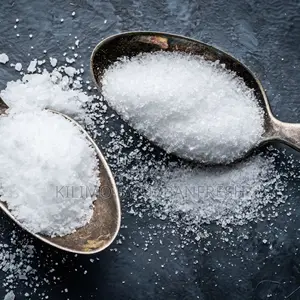
Salt is a ubiquitous ingredient in Kenyan kitchens, but not all salts are created equal. Let's examine the most common types found locally:
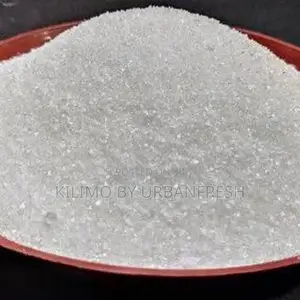
1. Table Salt
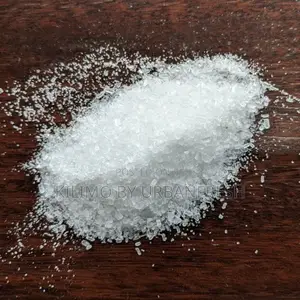
Table salt is the most common form in many Kenyan households. It is refined and contains anti-caking agents. Often, table salt is iodized, which has been essential in preventing iodine deficiency—a prevalent health issue in some Kenyan communities.
2. Sea Salt
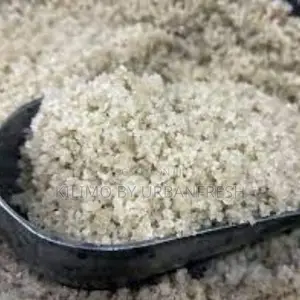
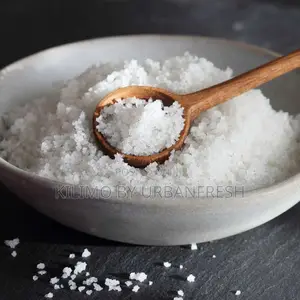
Harvested from evaporated seawater, sea salt retains trace minerals and elements, enhancing both flavor and nutritional value. While a bit pricier than table salt, sea salt is increasingly popular for its pure and natural quality.
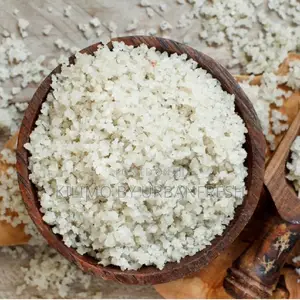
3. Rock Salt (Halite)
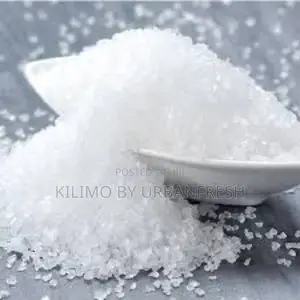
Rock salt, known for its coarse and crystalline texture, is often used in grinders. As it undergoes minimal processing, it preserves its mineral content, offering a slightly different taste profile than more refined salts.
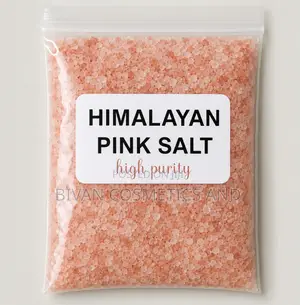
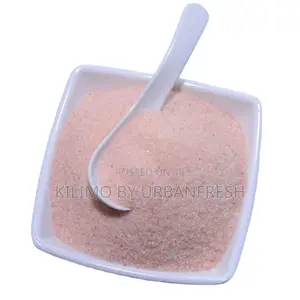
4. Himalayan Pink Salt
This distinctive pink salt is mined from the Punjab region of Pakistan, relatively close to Kenya. Known for its beautiful color and purported health benefits, Himalayan pink salt is a popular choice for those looking to add elegance and flavor to their dishes.
Key Criteria When Choosing Salt
To select the best salt for your needs, consider the following criteria:
1. Purpose
Identify what you need the salt for. For everyday cooking, table salt is practical; however, for gourmet dishes and finishing touches, sea salt or Himalayan salt may be better. Consider if you will use it for cooking, baking, or seasoning.
2. Health Benefits
If you're health-conscious, opting for unrefined salts like sea salt or Himalayan salt could be beneficial, as they retain more natural minerals. Additionally, look for iodized options to prevent health issues like goiter.
3. Flavor and Texture
Each type of salt has a distinct flavor and texture. Sea salt and Himalayan salt often have a softer taste and crunchy texture, ideal for sprinkling on finished dishes. Table salt and rock salt have a more pronounced salty taste suitable for cooking.
4. Budget
Salts range in price. Table salt is generally the most affordable, while Himalayan salt and some sea salts are more costly. Consider your budget and choose accordingly.
Where to Buy Quality Salt in Kenya
With the rise of online shopping platforms like Jiji Kenya, purchasing salt is easier than ever. Here are some tips for buying salt online:
- Compare Prices: Browse different sellers to get the best available price.
- Check Seller Reviews: Ensure a reliable purchase by reading reviews from other customers.
- Verify Product Details: Ensure the salt type is clearly mentioned and check for specific features like iodine content and grain size.
- Delivery Options: Choose sellers with convenient delivery times and reasonable shipping costs.
Conclusion
Understanding the different types of salt available and their unique advantages allows you to make informed choices for your culinary and health needs. By considering your specific requirements and preferences, you can enhance your dishes with the ideal type of salt. From table salt for everyday cooking to exquisite Himalayan pink salt for special dishes, the choice is both exciting and customizable. Happy cooking!


