
1/3
Sponsored
Nairobi, Nairobi Central, 1 hour ago
1 views
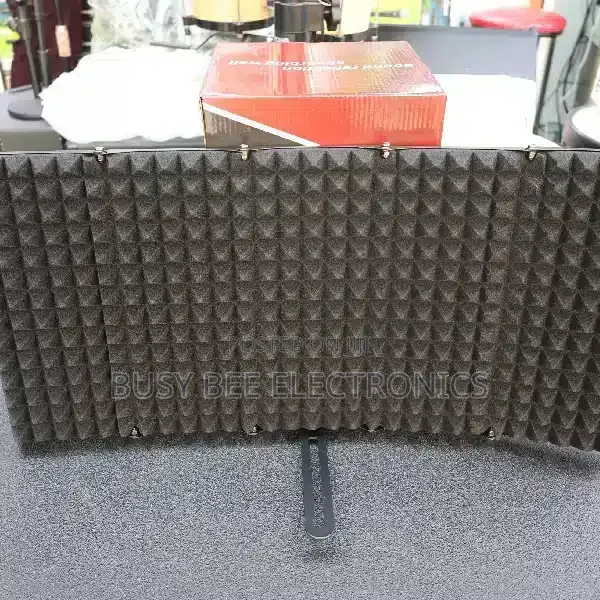
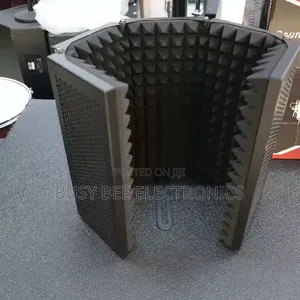
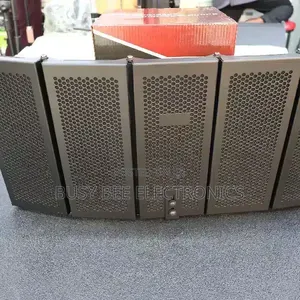
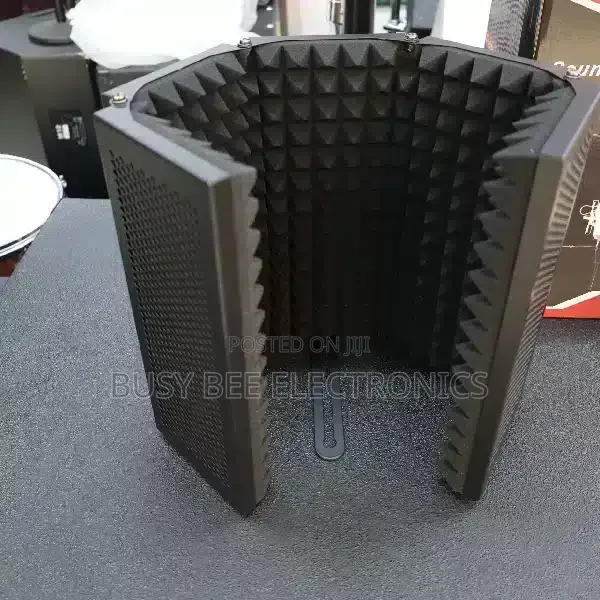
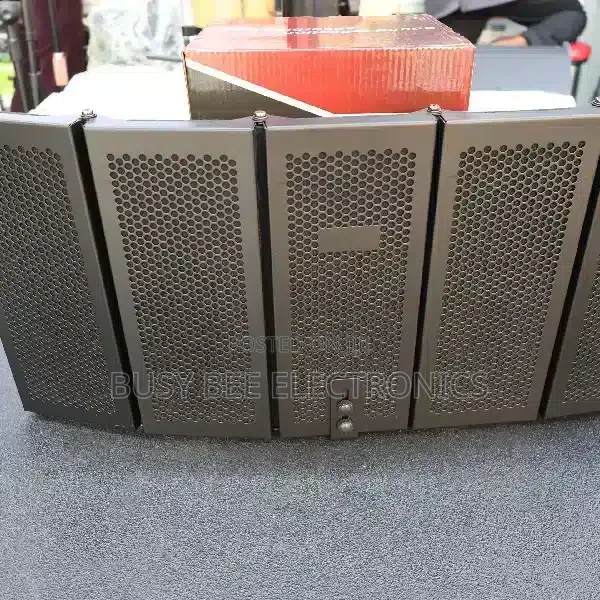
Sound Reflection Absorbing Wall
Store address
Nairobi • Nairobi Central
001-29
We are located @luthuli avenue kamae lane front line building 1st floor shop LU2
Closed now
• Mon - Sat, 08:00-18:00
Material Composition: Typically made from porous materials like fiberglass, mineral wool, foam, or specialized acoustic fabrics. These materials have a structure that allows sound waves to enter and dissipate within them, converting sound energy into a small amount of heat.
Surface Texture: The surface of these walls is often designed with patterns or irregularities to increase the surface area and enhance the absorption of sound waves across a broad range of frequencies.
Thickness and Density: The effectiveness of sound absorption is influenced by the thickness and density of the material. Thicker and denser panels generally provide better low-frequency absorption, while thinner materials are effective for higher frequencies.
Installation: These walls can be installed in various environments such as recording studios,

Safety tips
- Avoid paying in advance, even for delivery
- Meet with the seller at a safe public place
- Inspect the item and ensure it's exactly what you want
- Make sure that the packed item is the one you've inspected
- Only pay if you're satisfied


