
Sponsored
Nairobi, Nairobi Central, 1 hour ago
22 views
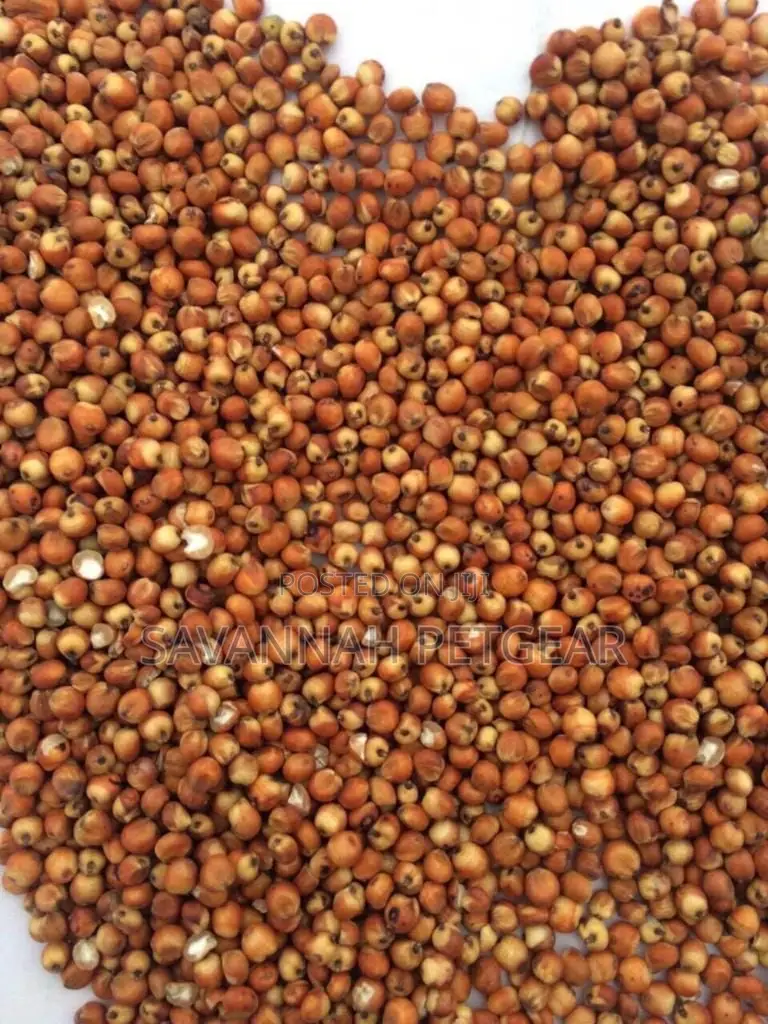
Red Sorghum Seeds for Sale - Per Kg
Perennial Seeds
Type
Store address
Nairobi • Nairobi Central
Mfangano street, Information House
Closed
• Mon - Sat, 09:00-18:00
Nairobi • Githurai
Ruriī Road
Near Julistah Media next to Narzareth Hospital
Closed
• Mon - Sat, 09:00-19:00
Sorghum can be used for feeding livestock, human consumption and brewing beer.
Sorghum contains both some of the essential and non-essential amino acids, including alanine (7.34–9.62 g/100 g), aspartic acid (4.83–7.06 g/100 g), glutamic acid (17.5–28.12 g/100 g), leucine (12.02–14.48 g/100 g), phenylalanine (4.03–5.62 g/100 g), proline (6.66–12.34 g/100 g) and valine (4.22–6.86 g/100 g) (Table 2), but limited in lysine and tryptophan. It does, however, have beneficial bioactive peptides and protein fractions, including 2-kDa antiviral peptide, α-kafirin, karifin, protease, amylase and xylanase inhibitors, as well as cationic peroxidase, which exerts anticancer, antiviral, antioxidant, cholesterol-lowering and antihypertensive effects
Safety tips
- Avoid paying in advance, even for delivery
- Meet with the seller at a safe public place
- First, check what you're going to buy to make sure it's what you need
- Only pay if you're satisfied


