
Ladders in Kenya



![Aluminium Multipurpose Ladder-[4×4]=16ft](https://pictures-kenya.jijistatic.com/69439086_MzAwLTQwMC03OTAxOThmYjQz.webp)
1 - 20 of 2 299 results
Ladders FAQs
💎 Which ones belong to the premium segment?
💰 Which ones are the cheapest?
Ladders are essential tools that make reaching high places safe and convenient. Whether you are a homeowner, a professional contractor, or a shop owner in Kenya, choosing the right ladder is crucial for safety and efficiency. This guide will help you make informed decisions when selecting the best ladder to suit your needs.
1. Understand the Different Types of Ladders
Before purchasing a ladder, it is vital to understand the types available in the market. Each type serves a specific purpose and is designed for certain tasks.
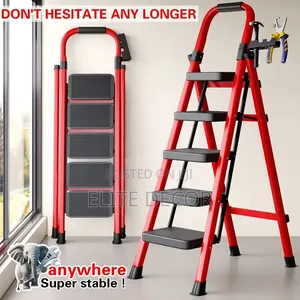
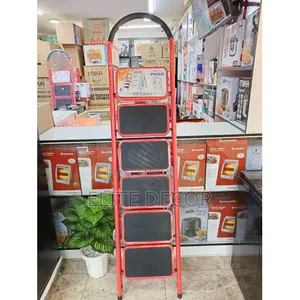
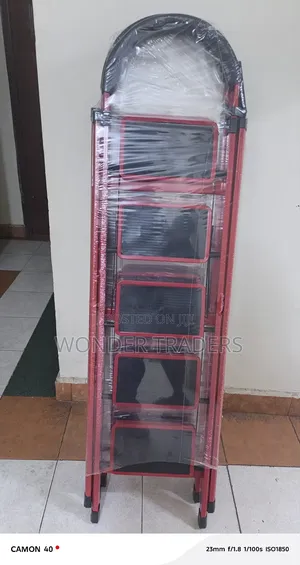
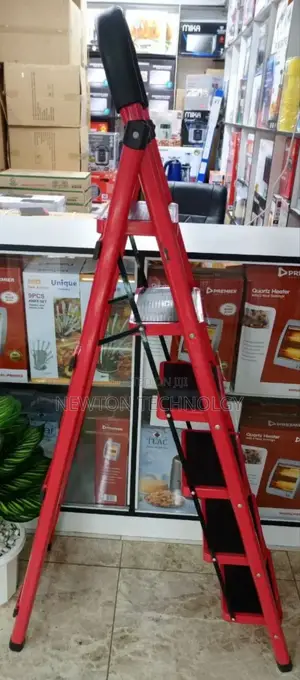
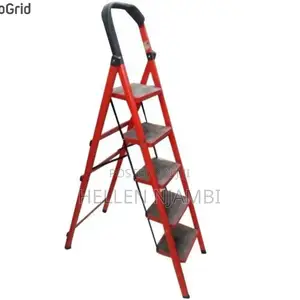
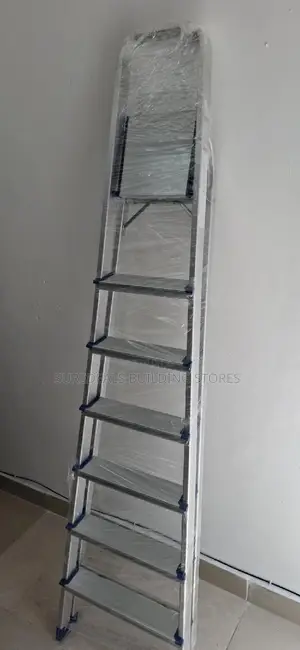
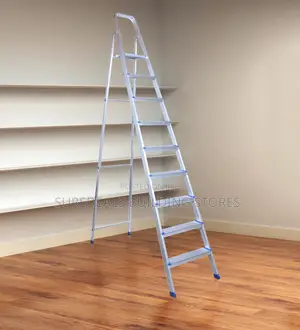
- Step Ladders: Perfect for indoor tasks like painting or changing light bulbs. They are generally self-supporting and come in a variety of heights.
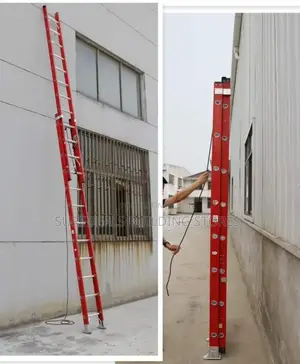
- Extension Ladders: Ideal for reaching high places like rooflines or gutters. Requires support against a wall or structure.
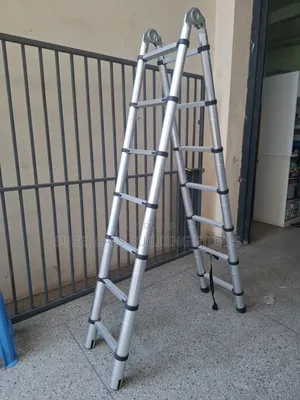
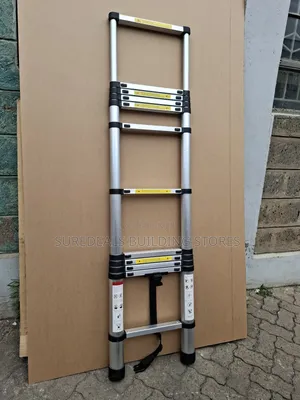
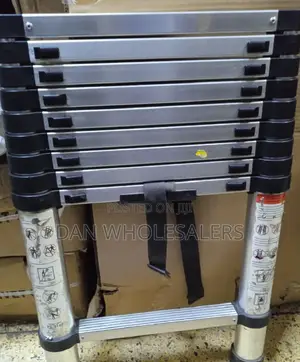
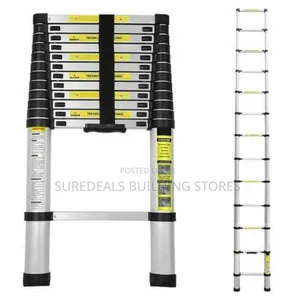
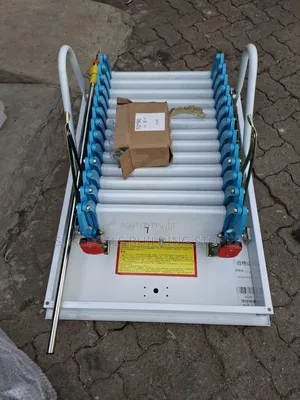
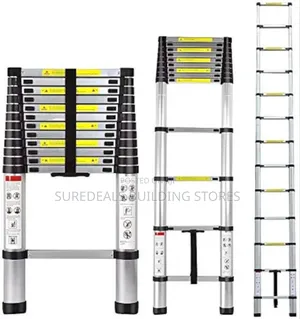
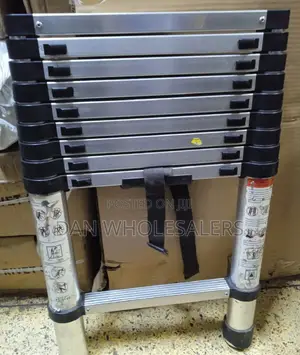
- Telescope Ladders: These are compact and easy to transport, suitable for tight storage spaces.
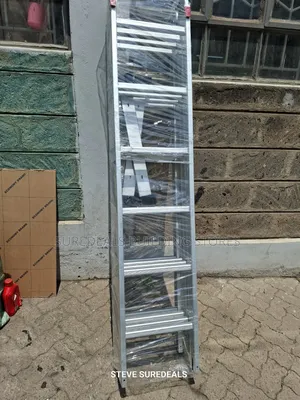
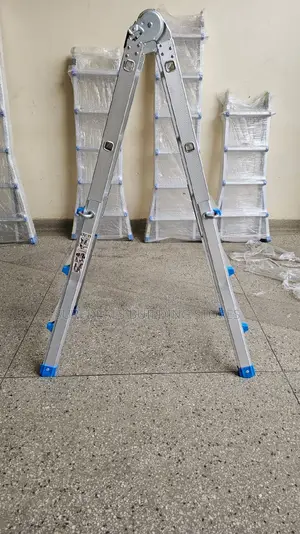
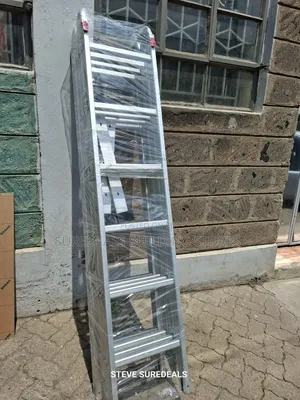
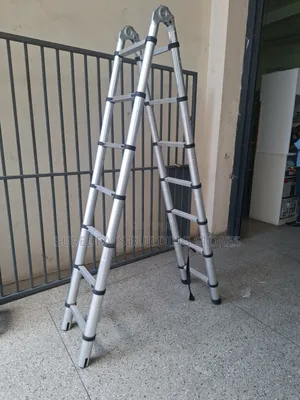
- Multipurpose Ladders: Versatile options that can be used in different configurations, adapting to various tasks.
- Platform Ladders: Provide a secure standing space, making them a good choice for repetitive tasks requiring constant elevation.
2. Consider the Material of the Ladder
The material of the ladder determines its weight, strength, and durability. The common materials include:
- Aluminum: Lightweight and resistant to corrosion, making them portable and durable.
- Fiberglass: Strong and safe for electrical work as they don’t conduct electricity, though heavier than aluminum.
- Wood: Traditional choice, non-conductive and sturdy but prone to weather-related damage.
3. Evaluate the Ladder's Weight Capacity
It is essential to choose a ladder that supports your weight and any extra equipment you may carry. Ladders typically have a duty rating reflected by different weight limits:
- Type I: Heavy duty for industrial work, supports up to 113 kilograms.
- Type II: Medium duty suitable for commercial tasks, supports up to 102 kilograms.
- Type III: Light duty intended for household use, supports up to 91 kilograms.
4. Measure the Height Requirement
Ensure the ladder you choose is tall enough for your needs. Measure the highest reach point, then add at least 1 meter for ladders that allow you to stand below the top rung.
5. Safety Features to Consider
Safety is paramount when using ladders. Look for these features to ensure stability and security:
- Non-slip Feet: Prevents the ladder from sliding, especially important on smooth surfaces.
- Stabilizing Braces: Offers additional support, crucial for higher ladders.
- Locking Mechanisms: Secure the ladder's position and prevent accidental folding.
Conclusion
Choosing the right ladder in Kenya requires an understanding of your specific needs and the environment in which you’ll use the ladder. By considering the type, material, weight capacity, height requirements, and safety features, you can safely and efficiently complete your tasks. Remember, safety comes first; always ensure the ladder is in good condition before use.
For a diverse selection of ladders, visit Jiji Kenya, where you can find quality options to suit all your needs.


