
DJ Controllers in Kenya


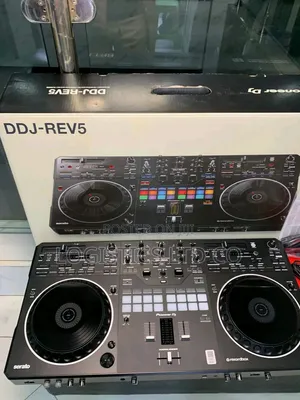
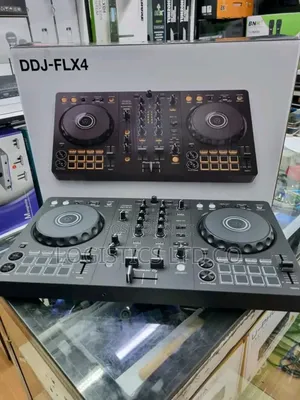
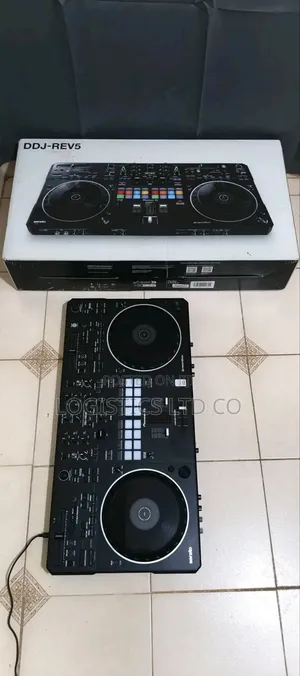
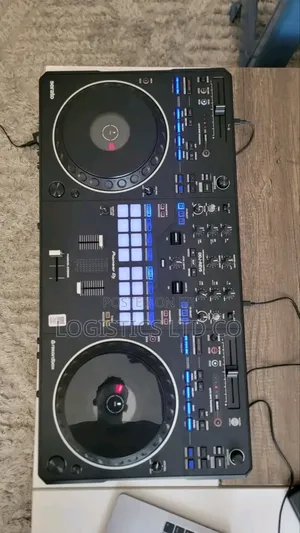
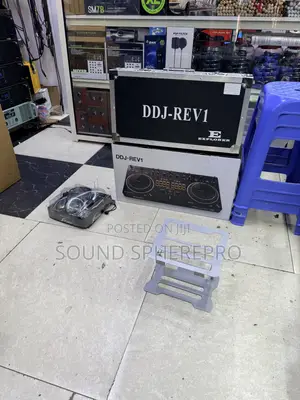
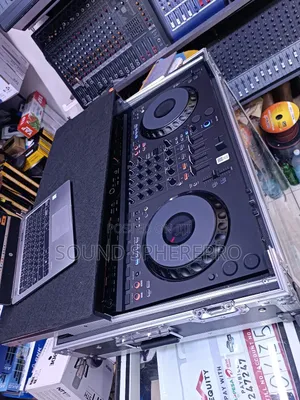
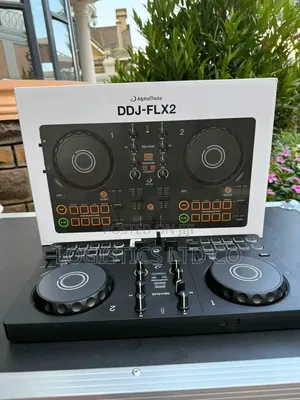
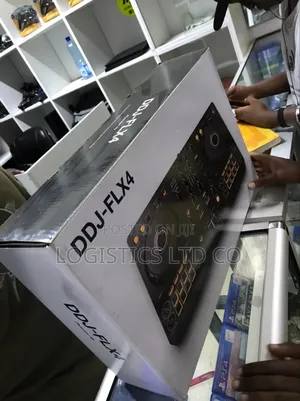
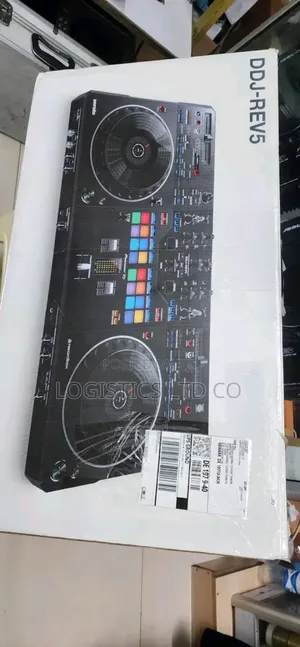
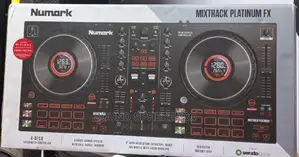
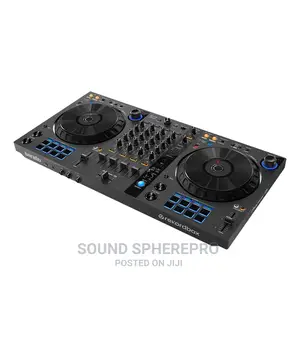
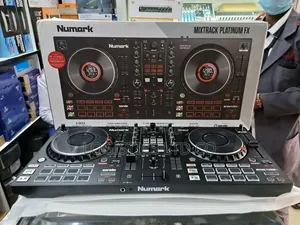
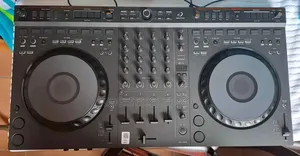
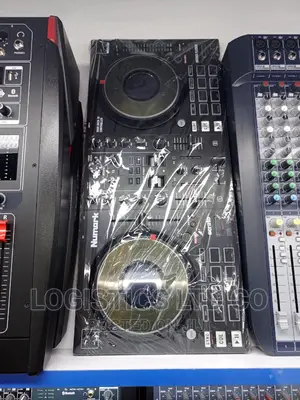
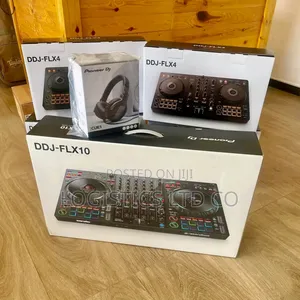
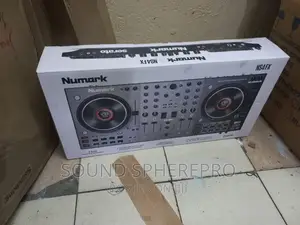
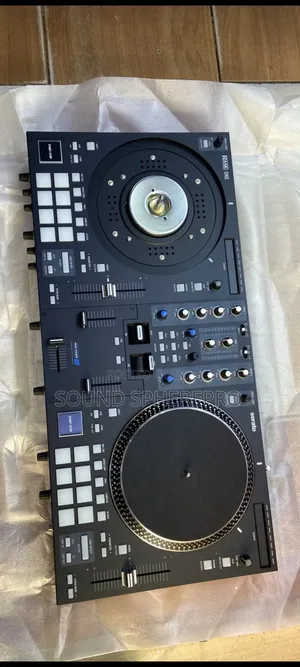
1 - 20 of 251 results
DJ Controllers FAQs
🍀 Which ones are actual in 2026?
💎 Which ones belong to the premium segment?
The DJ scene in Kenya is massive — from Nairobi nightclubs and campus events to weddings, corporate functions, and county festivals. Whether you are just getting started or upgrading from a basic setup, the right DJ controller is the foundation of your performance. Here is what you need to know to make a smart choice.
What a DJ Controller Actually Does
A DJ controller is a hardware device that connects to your laptop and gives you physical control over DJ software. Instead of clicking a mouse to mix tracks, you use jog wheels, faders, knobs, and buttons — just like a club setup, but in a portable, all-in-one package. The controller itself does not play music; it sends commands to software like Rekordbox, Serato, Traktor, or Virtual DJ running on your computer.
Key Features to Compare
Channels
Most controllers come with 2 or 4 channels. Each channel controls one audio source (a track, a sample, or a microphone input). Two channels are enough for standard mixing — playing one track while cueing the next. Four channels let you layer multiple tracks, add live samples, or mix from different sources simultaneously. If you are starting out, 2 channels are more than enough.
Jog Wheels
Jog wheels are the circular platters you use for scratching, nudging tracks, and browsing through songs. Larger jog wheels feel more natural and give you finer control, especially for scratching. Some higher-end models include screens built into the jog wheel that display track information and waveforms.
Software Compatibility
This is critical. Most controllers are optimized for one specific DJ software:
- Pioneer controllers — Rekordbox DJ (industry standard in most clubs)
- Numark controllers — Serato DJ
- Native Instruments controllers — Traktor Pro
- Hercules controllers — DJUCED and Virtual DJ
Many controllers ship with a software licence included, which saves you a significant cost. Check what is in the box before purchasing.
Build Quality and Portability
If you are a mobile DJ — doing gigs at different venues every weekend — weight and durability matter. A lightweight controller is easier to transport, but flimsy plastic faders will wear out fast. Metal construction and sturdy crossfaders last longer under heavy use. Consider getting a padded carry case like a DJ equipment bag to protect your gear during transit.
Audio Outputs
Budget controllers often have only a headphone output and a basic RCA output. For professional gigs, you need balanced XLR or 1/4" TRS outputs to connect directly to a PA system or powered speakers without noise or signal loss. If the controller lacks these, you will need a separate audio interface, which adds cost and complexity.
Choosing by Skill Level
Beginner
Look for a compact 2-channel controller that includes DJ software. Focus on learning beat matching, transitions, and basic EQ. You do not need 4 channels, built-in screens, or advanced effects at this stage — they will distract more than help. Brands like Hercules and Numark offer solid entry-level options with built-in tutorials and light guides that teach you beat matching in real time.
Intermediate
Once you are comfortable with mixing, upgrade to a controller with better jog wheels, more effects, and professional audio outputs. At this level, performance pads (for hot cues, loops, and samples) become genuinely useful. Invest in quality DJ headphones too — they make a bigger difference to your mixing accuracy than most hardware upgrades.
Professional
For club residencies and large events, you want a full-size 4-channel controller with large jog wheels, high-resolution screens, multiple audio outputs, and a robust build. Pioneer's flagship controllers are the industry standard in most Kenyan clubs, which means your practice at home translates directly to the club setup.
Common Mistakes to Avoid
- Buying the biggest controller you can afford — more features does not mean better. A beginner with a 4-channel flagship will feel overwhelmed and underuse 80% of its capabilities.
- Ignoring your laptop specs — DJ software needs decent processing power. If your laptop is old or slow, even the best controller will suffer from audio glitches and lag.
- Forgetting headphones — you cannot DJ properly without monitoring headphones. Budget for a pair with good isolation and a swivelling ear cup so you can cue in one ear while hearing the room with the other.
- Not checking what is in the box — some controllers do not include a USB cable, power adapter, or software licence. Read the listing carefully before paying.
FAQ
Can I DJ with just a controller and a laptop?
Do I need to buy DJ software separately?
What is the difference between a DJ controller and a DJ mixer?


