
1/3

Kakamega, Mumias Central, 28/08
15 views
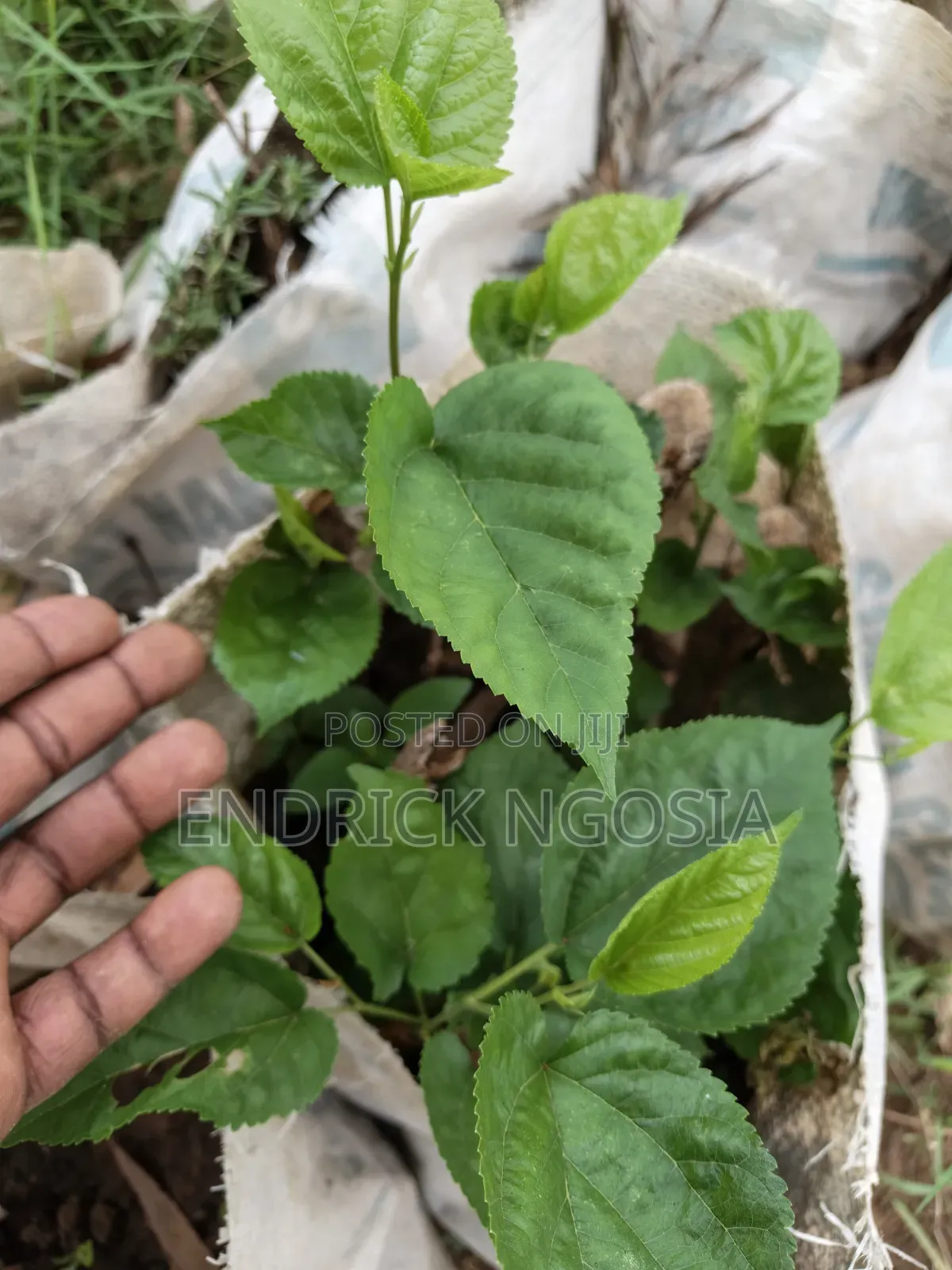
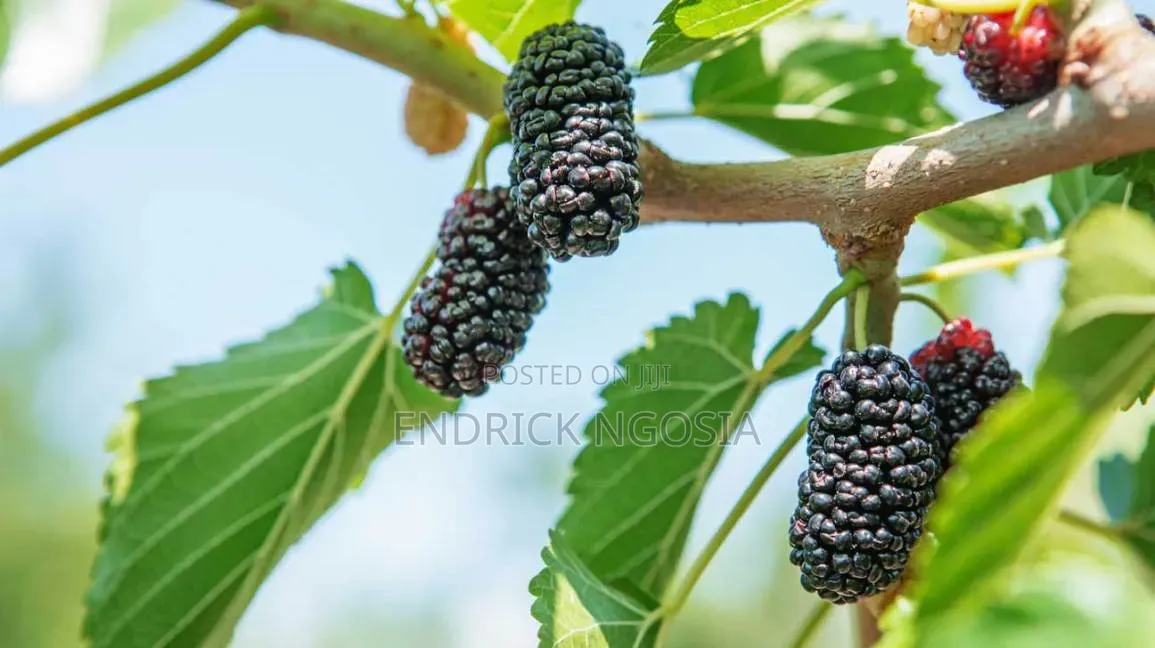
Mulberry Seedling
Fruits
Type
Berries
Fruits
50g
Weight
Store address
Kilifi • Mtwapa
Mombasa-Malindi Road, Opposite Family Bank, Kenya
Mulberry trees are traditionally grown for their leaves as they’re the only food silkworms eat apart from being used as fodder for livestock.
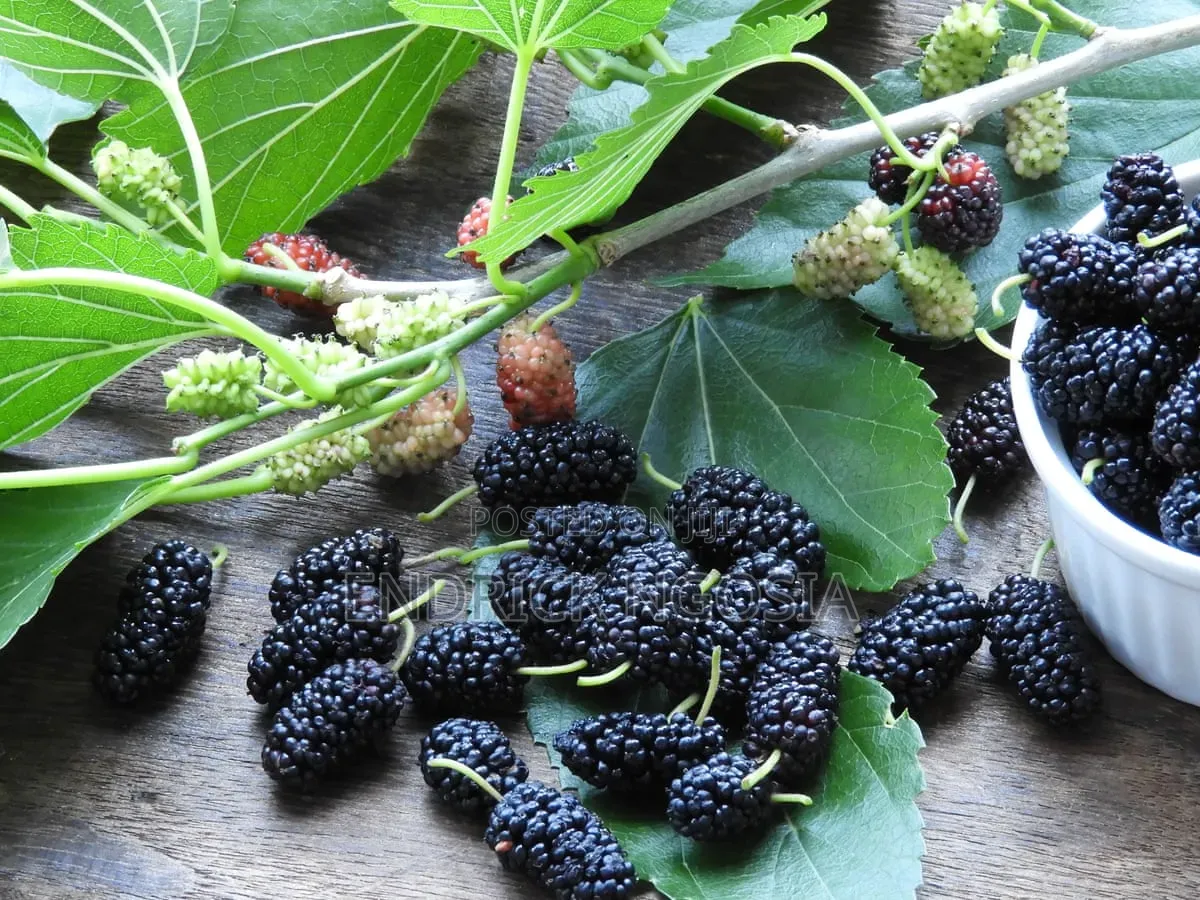
They carry colorful berries, commonly black, white, or red, which are often made into wine, fruit juice, tea, jam, or canned foods. They can also be dried and eaten as a snack.
Due to their sweet flavor, impressive nutritional value, and various health benefits, mulberries are available as a supplement.
They provide 9.8% carbs, 1.7% fiber, 1.4% protein, and 0.4% fat by fresh weight.
Mulberries are also consumed dried. In this form, they contain 70% carbs, 14% fiber, 12% protein, and 3% fat, making them fairly high in protein compared to most berries.

Safety tips
- Avoid paying in advance, even for delivery
- Meet with the seller at a safe public place
- First, check what you're going to buy to make sure it's what you need
- Only pay if you're satisfied


